
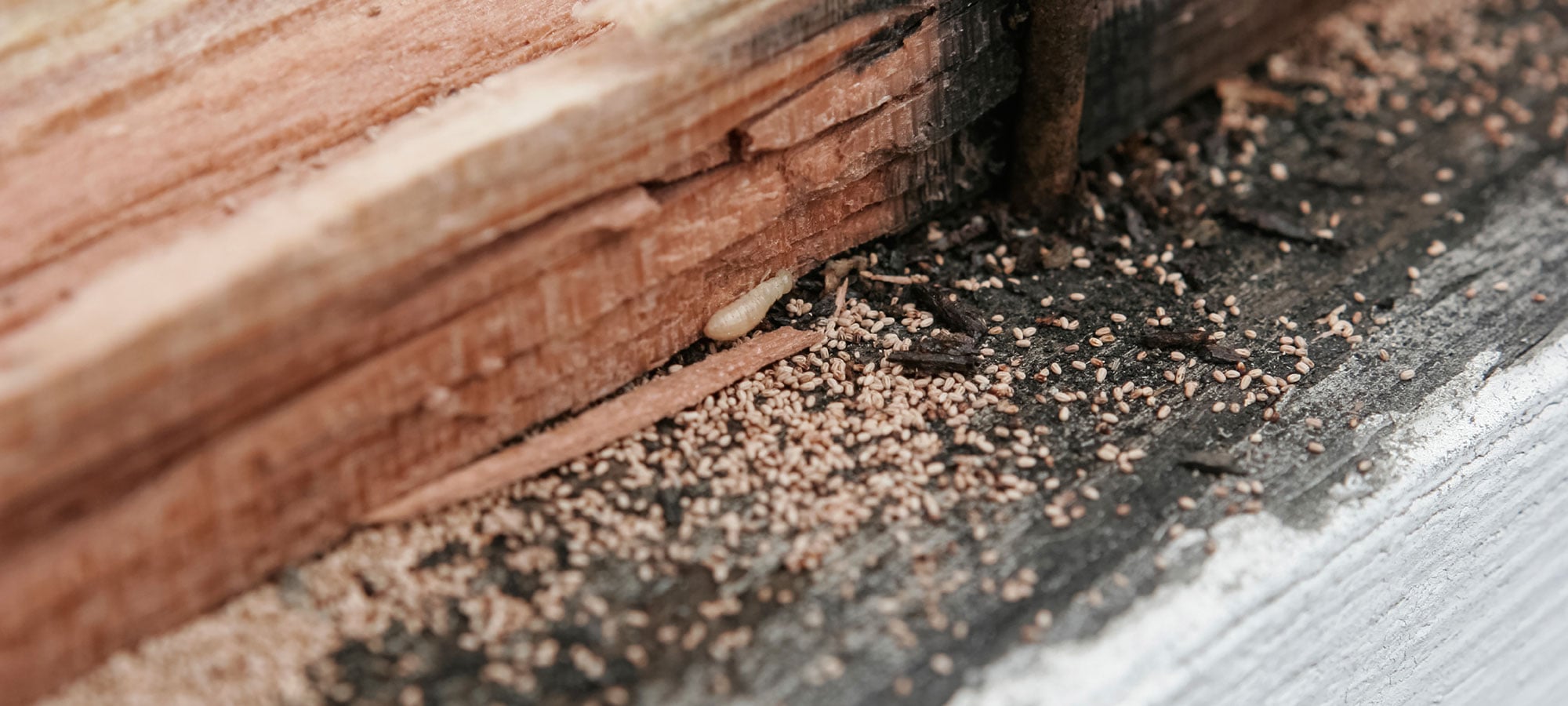
Florida is in the International Residential Code’s highest termite risk category, the “Very Heavy” infestation probability zone, alongside a handful of other Gulf Coast states. That classification is why Florida’s building code requires termite pretreatment before a slab gets poured, not as a formality but as a response to documented risk. But pretreatment on its own isn’t enough. It has to be backed by sound construction practices and moisture control, plus documentation that follows the project from preconstruction planning all the way through closeout.
Why Termite Protection Should Be Planned Before Construction Begins
A missed termite-treatment window doesn’t stay contained to the termite scope of work. Once concrete covers the treatment area, along with the vapor barrier and reinforcement underneath it, reopening that area usually means cutting into a finished slab. The delay doesn’t stop there. It can push back the next inspection, and it can push back the whole project closeout.
Each treatment method has its own window in the build. Liquid soil treatment happens at one stage, and borate wood treatment happens at another. Other approved systems follow their own timing. That’s why bringing a licensed termite provider in before foundation work begins gives everyone room to plan around the treatment instead of around a missed deadline.
Exact requirements change by construction method, local code, the treatment product specified, and site conditions, so a plan that worked on the last project doesn’t automatically transfer to the next one. Confirming those requirements before groundbreaking is what keeps the rest of the schedule from getting rearranged later.
Builder takeaway: Confirm the termite-protection plan before underground work and concrete scheduling are finalized.
Construction Phase Termite Protection Checklist
1. Confirm the Termite-Protection Strategy
- Review the project type, foundation design, construction materials, and anticipated treatment areas before committing to an approach.
- Determine whether the project calls for liquid soil treatment, borate wood treatment, another approved system, or a combination.
- Verify the proposed treatment aligns with applicable codes, product-label requirements, and project specifications.
- Identify whether patios, porches, garages, adjoining slabs, utility penetrations, or other areas need separate treatment.
- Select a licensed provider experienced with active construction schedules.
- Establish primary contacts for scheduling, site access, documentation, and field coordination.
2. Clear the Building Site of Cellulose Debris
Job site cleanup reduces avoidable termite-conducive conditions, though it doesn’t replace professional pretreatment.
- Remove stumps, roots, scrap lumber, form boards, cardboard, and other cellulose-based materials from the building footprint.
- Avoid burying wood debris beneath slabs, porches, driveways, or landscaped areas.
- Remove temporary wooden stakes, forms, and bracing once they’re no longer needed.
- Store lumber above the soil and protect it from standing water.
- Keep the foundation area accessible for inspection and treatment.
3. Prepare the Foundation Area for Treatment
- Complete required underground plumbing, utility, and foundation inspections before scheduling treatment.
- Confirm the treatment area is accessible, properly graded, and ready for application.
- Identify slab penetrations, conduits, expansion joints, cold joints, foundation edges, and other potential entry points.
- Confirm soil won’t be added, removed, or significantly disturbed between treatment and concrete placement.
- Coordinate treatment timing with the concrete contractor to avoid delays or missed application windows.
- Notify the termite provider of unusual foundation conditions or project changes before treatment begins.
4. Schedule Pretreatment Before the Slab Is Poured
- Schedule the application after required underground inspections but before vapor barriers, reinforcement, or concrete placement make the treatment area inaccessible.
- Confirm the superintendent and concrete crew understand the required treatment window.
- Allow enough time for the provider to complete the application and required documentation.
- Hold off on slab placement until the planned treatment is complete.
- Record the treatment date, method, application areas, and any site-specific notes.
- Establish a process for weather delays, schedule changes, or emergency pours.
5. Verify Proper Application and Documentation
- Confirm the treatment is completed by properly licensed technicians.
- Verify application equipment is calibrated and used according to product-label requirements.
- Document the areas treated and any locations that couldn’t be accessed.
- Retain treatment records, certificates, site plans, photographs, or digital verification from the contractor.
- Note any areas that will need supplemental or follow-up treatment.
- Maintain records in the project file for inspectors, owners, property managers, and future warranty needs.
6. Protect Treated Soil During Construction
- Don’t excavate, trench, regrade, or replace treated soil without contacting the termite provider first.
- Coordinate plumbing repairs, utility changes, irrigation installation, landscaping, and other work that may disturb the treatment.
- Notify the provider when treated soil is removed or relocated.
- Schedule supplemental treatment when new soil, adjoining slabs, or structural additions are introduced.
- Mark or document treated zones so later trades know which areas need protection.
- Include termite-treatment coordination in change-order and site-work procedures.
Common risk: A properly treated area can lose protection when later trades disturb the soil without arranging retreatment.
7. Control Moisture Throughout Construction
Moisture control helps with termite prevention and overall building durability.
- Establish drainage that directs water away from the foundation.
- Prevent standing water around slabs, crawl spaces, and exterior walls.
- Repair plumbing leaks and temporary water-line issues promptly.
- Direct HVAC condensate, downspouts, and other discharge points away from the structure.
- Protect unfinished framing, masonry, and stored materials from prolonged moisture exposure.
- Confirm roof flashing, exterior openings, and weather barriers are installed correctly.
- Review irrigation and landscaping plans for conditions that could keep the foundation continuously damp.
8. Maintain Separation Between Wood and Soil
- Prevent framing, sheathing, siding, trim, and other wood components from contacting soil.
- Confirm final grading won’t reduce planned clearance around the structure.
- Inspect patios, porches, decks, landscaped beds, and exterior finishes for concealed contact points.
- Keep mulch, soil, and dense vegetation from bridging the gap between the ground and vulnerable building materials.
- Maintain visible access around foundation edges for future termite inspections.
- Reference project specifications and local code requirements rather than a single universal clearance measurement.
9. Complete Wood Treatment at the Correct Stage, When Applicable
Wood treatment and soil treatment serve different purposes and aren’t always interchangeable on a given project.
- Schedule borate or other approved wood treatments after framing is in place and before insulation, drywall, or finishes block access.
- Make sure wood surfaces are exposed, accessible, and in suitable condition for application.
- Identify sill plates, studs, floor systems, joists, beams, and other specified treatment areas.
- Coordinate with framing, mechanical, electrical, plumbing, and insulation crews.
- Avoid covering treated areas before required inspection or documentation is complete.
10. Coordinate Patios, Driveways, Porches, and Adjoining Slabs
- Identify exterior slabs and structural additions that will be installed after the primary foundation treatment.
- Schedule treatment before patios, porches, garages, walkways, and other adjoining concrete areas are poured, when required.
- Review joints between the original foundation and later concrete work.
- Coordinate treatment around utility penetrations and exterior transitions.
- Confirm whether supplemental perimeter service is required once the work is complete.
- Document all additional treatment dates and locations.
11. Complete Final-Grade and Perimeter Requirements
- Confirm final grading directs water away from the building.
- Inspect for soil, mulch, hardscape, or landscaping that conceals the foundation edge.
- Complete any required perimeter or final-stage treatment after grading and exterior work.
- Address areas disturbed by irrigation, utility installation, landscaping, or site corrections.
- Verify treatment around patios, porches, adjoining slabs, and exterior penetrations.
- Confirm access remains available for future inspections and service.
12. Organize Closeout Documents and Ongoing Protection
Closeout is also where the initial construction treatment hands off to ongoing coverage. Diligent’s Annual Termite Protection Plans pick up where the construction-phase treatment leaves off, so whoever takes over the building has documentation clear enough to make that transition without guesswork.
- Collect treatment certificates, application records, inspection documents, site plans, warranty information, and renewal requirements.
- Confirm all required treatment stages have been completed.
- Provide the property owner, property manager, or closing team with the relevant documentation.
- Establish future inspection, renewal, or monitoring schedules.
- Record the provider’s contact information for warranty questions, future construction changes, or suspected activity.
Construction Practices That Strengthen Termite Protection
No single material or treatment method eliminates every termite risk on its own. These practices work as complementary safeguards alongside licensed termite service, not a substitute for it.
Keep the Site Free of Termite-Conducive Materials
- Remove buried wood, discarded forms, cardboard, roots, and other cellulose debris.
- Keep lumber storage areas dry and separated from soil.
- Prevent construction waste from accumulating against the foundation.
- Include site cleanup in routine superintendent inspections.
Reduce Moisture Around the Structure
- Maintain positive drainage.
- Install roof drainage systems that move water away from the foundation.
- Repair leaks promptly.
- Manage condensate, irrigation, and landscaping runoff.
- Avoid persistent damp conditions in crawl spaces or concealed areas.
Protect Foundation Joints and Utility Penetrations
- Review pipes, conduits, slab joints, expansion joints, cracks, and foundation transitions.
- Coordinate treatment around penetrations before they become inaccessible.
- Seal and detail openings according to project specifications.
- Monitor later construction changes that create new penetrations or disturb treated areas.
Use Termite-Resistant Materials Where Appropriate
- Consider pressure-treated lumber in specified or vulnerable locations.
- Use steel, concrete, masonry, fiber cement, and other non-cellulose materials where suitable.
- Evaluate physical barriers or penetration-protection systems when included in the project design.
Resistant materials reduce risk, but they don’t replace professional treatment and inspections.
Termite Treatment Options Builders May Encounter
Liquid Soil Pretreatment
Termiticide gets applied to designated soil beneath or adjacent to foundation areas, and the work often requires close coordination with plumbing inspections, slab preparation, concrete placement, final grading, and exterior construction. Disturbed treated soil may need supplemental application, and exact requirements depend on the product label and project conditions.
Borate Wood Treatment
Applying borate-based products to specified wood framing components has to happen while the wood is still exposed and accessible, which means coordinating with framing, insulation, drywall, and finishing trades. Local requirements or project specifications determine whether additional treatment is needed.
Monitoring and Bait Systems
Monitoring or bait systems typically get installed after final grading and exterior work, and they require ongoing inspections and maintenance rather than a one-time application. They shouldn’t be treated as an automatic substitute for every preconstruction treatment method, and work best as part of a long-term termite-management plan.
Common Construction Mistakes That Increase Termite Risk
- Scheduling termite treatment after the required application area is no longer accessible
- Pouring concrete before pretreatment is completed
- Leaving wood debris, form materials, or cardboard under or near the structure
- Disturbing treated soil without arranging supplemental service
- Allowing final grading or landscaping to create wood-to-soil contact
- Directing irrigation, downspouts, or condensate toward the foundation
- Covering framing before required wood treatment is completed
- Failing to treat later patios, porches, driveways, or adjoining slabs
- Losing treatment records, certificates, or warranty documents
- Assuming termite-resistant materials eliminate the need for ongoing protection
Termite-Protection Timeline by Construction Stage
| Construction Stage | Builder Responsibilities | Termite-Protection Coordination |
|---|---|---|
| Preconstruction planning | Review plans, site conditions, treatment requirements, and project schedule | Select the treatment approach and licensed provider |
| Site preparation | Remove cellulose debris and establish drainage | Confirm treatment areas and accessibility |
| Underground work | Complete plumbing, utility, and foundation inspections | Identify penetrations and schedule pretreatment |
| Before slab placement | Prepare the treatment area and protect the construction window | Complete soil treatment and documentation |
| Framing and dry-in | Maintain dry conditions and wood-to-soil separation | Complete wood treatment when specified |
| Exterior construction | Coordinate grading, adjoining slabs, utilities, and landscaping | Retreat disturbed or newly added areas |
| Final grade | Confirm drainage and foundation visibility | Complete perimeter or final-stage treatment |
| Project closeout | Organize owner records and future maintenance | Deliver certificates, warranty details, and inspection schedule |
Benefits of Working With a Construction-Focused Termite Provider
A provider who works construction sites regularly brings a different set of habits than one built around residential service calls, including:
- Familiarity with slab schedules, inspections, concrete crews, and superintendent workflows
- Faster coordination when schedules change
- Clear communication with builders and field teams
- Ability to document applications and identify follow-up treatment needs
- Experience supporting production homes, custom builds, multifamily projects, and commercial construction
- Reliable handling of final-grade, perimeter, and adjoining-slab treatments
- Organized documentation for project closeout and future protection
- Reduced risk of missed treatment windows and avoidable delays
Why Builders Choose Diligent
Diligent’s construction services are set up around the realities of an active job site, not a fixed residential appointment window. Our New Construction Termite Pretreatment program runs on exactly that kind of coordination. We bring:
- Decades of experience supporting Florida builders and contractors
- Responsive scheduling built around active construction timelines, including a guaranteed three-hour response window
- Licensed technicians and consistent application procedures
- Digital application verification and detailed service documentation
- Support for residential and commercial construction projects
- Coordination across initial pretreatment, supplemental applications, and final-stage service
- A $1,000,000 Subterranean Termite Damage Warranty, where applicable
- A builder-focused team that understands the cost of delays and missed construction milestones
Frequently Asked Questions
When should termite pretreatment be completed?
Timing depends on the treatment method. Soil treatment is typically coordinated after required underground work and before slab placement, while wood treatment has to happen before framing gets concealed.
Is termite pretreatment required for new construction in Florida?
Requirements can depend on the building type, jurisdiction, code, lender, and project specifications. Confirming requirements with the local authority and a licensed termite provider is the safest way to know what a specific project needs.
What happens if pretreatment is missed before the slab is poured?
Alternative or corrective treatment options may be available, but the builder should contact the termite provider immediately rather than proceeding without a documented plan.
Can treated soil be disturbed after application?
Excavation, trenching, grading, and utility work can all compromise treated areas, and disturbed locations may need supplemental treatment.
Do patios and driveways require separate termite treatment?
Adjoining slabs and exterior additions may need their own coordination depending on project conditions and treatment specifications. Identifying these elements before they’re poured makes that coordination easier.
What is the difference between soil treatment and borate treatment?
Soil treatment protects designated foundation areas, while borate treatment gets applied to accessible wood components. The two happen at different construction stages and aren’t always interchangeable. For more on how a termite bond compares to a termite warranty, see Diligent’s guide on the difference between the two.
What termite documents should builders keep?
Application records, certificates, site plans, inspection documentation, warranty information, and renewal details all belong in the project file.
Does termite-resistant lumber eliminate the need for treatment?
No. Resistant materials can reduce risk, but they don’t replace a complete termite-protection strategy.
What should happen at final grade?
Final grade should confirm drainage, foundation visibility, treatment of any disturbed areas, perimeter requirements, and final documentation.
Build Termite Protection Into the Project Schedule
Reliable termite prevention starts before the slab is poured and continues through final grade and project closeout. Planning, trade coordination, moisture control, proper treatment, and complete documentation all contribute to protection that holds up for decades, not just through the final inspection.
Diligent works alongside builders as a construction partner, protecting structures without disrupting the schedule that keeps the rest of the project moving.


